
The Day of Arafah is a pivotal moment in Hajj, where pilgrims gather on the plain of Arafat to seek divine mercy. The Dua Arafah, available in PDF format, compiles supplications from the Qur’an and Sunnah offering guidance and hope for believers worldwide. Pilgrims share PDFs online making them accessible worldly
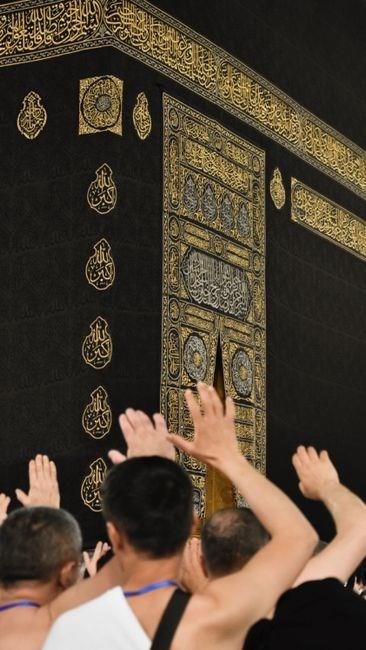
Historical Context of the Day of Arafah
The Day of Arafah for the faithful marks the climax of the Hajj pilgrimage. Historically, it traces back to the Prophet Muhammad’s final sermon, where he urged pilgrims to gather at Arafat to seek forgiveness and mercy. The plain has been a site of prayer since the time of the Prophet’s companions, and its sanctity is reinforced by the Qur’anic verse that declares it a place of mercy. Scholars note that the day’s significance is rooted in the covenant between God and humanity, a theme echoed in the supplications compiled in the Dua Arafah PDF. The PDF format allows believers worldwide to access prayers, including those attributed to Imam Husayn, which emphasize gratitude, repentance, and the hope for intercession. Platforms host these PDFs, enabling pilgrims to review the text before standing on Arafat, thereby deepening their spiritual experience. The historical context also highlights the day’s role as a bridge between the rites of Hajj and the broader Islamic tradition of seeking forgiveness during times of collective reflection. By studying the PDF, Muslims can connect contemporary practice with the rich heritage that shaped the Day of Arafah.
The PDF’s accessibility has transformed how pilgrims prepare for the sacred day. By downloading the document, worshippers can study the verses, memorize the supplications, and reflect on the themes of repentance and mercy. Many communities share annot versions, offering insights into the linguistic nuances and historical background that enrich the recitation during the gathering at Arafat !!

Content of the Arafah Duas in PDF Format
The Arafah Duas PDF is a curated collection of supplications drawn directly from the Qur’an, the Sunnah, and revered figures such as Imam Husayn. Each page presents a distinct dua, ranging from the foundational verses that remind pilgrims of God’s mercy to the heartfelt pleas for forgiveness and intercession. The PDF includes the well‑known “Dua‑e‑Arafah” found on sites like hubeali.com, which praises Allah’s creation and acknowledges His guidance. It also contains the moving supplication of Imam Husayn, praised for its depth of gratitude and plea for divine blessings. Users can download the file in PDF or TXT format, or read it online, ensuring accessibility for those preparing for the Day of Arafat. The document’s structure typically follows a logical progression: opening invocations, specific requests for protection and guidance, and concluding with a collective appeal for mercy. Many readers note that the PDF’s language is both poetic and straightforward, making it suitable for recitation during the pilgrimage. Additionally, the file often includes transliterations and translations, allowing non‑Arabic speakers to engage fully with the content. By studying the PDF, pilgrims can internalize the themes of repentance, gratitude, and hope that define the Arafah experience! The PDF’s layout encourages reading with margins for deep reflection. The PDF also provides a brief guide on how to recite each dua, including recommended times and postures, ensuring that the supplications are performed with proper reverence and intention. The PDF offers a summary of day’s significance for pilgrims and newcomers!

Accessing and Downloading Arafah Duas PDFs
For pilgrims and scholars, the Arafah Duas PDF is available on trusted sites such as Duas.org and hubeali.com. On Duas.org, navigate to the “Arafah Day” section, click the “Download PDF” button, and the file will automatically begin to transfer. The PDF is usually named “Dua‑e‑Arafah‑2026.pdf” and contains the full supplications for the day. The document is formatted for easy reading, with clear headings and transliterations, making it suitable for both Arabic‑speaking and non‑Arabic‑speaking pilgrims. Users can also view the dua online directly on the site before downloading.
On hubeali.com, the Arafah Duas are presented in a clean, scrollable layout. The site offers a direct download link beneath the text, labeled “Download PDF.” Clicking this link saves the file to your device. The page also provides a “Read Online” option, enabling users to read the dua in real time without downloading. This is especially useful for travelers with limited internet access. The PDF includes transliterations and translations, allowing users to understand the meaning without prior knowledge of Arabic. It also contains a brief guide on proper recitation.
Many mobile applications, such as “Al‑Quran & Hadith” and “Islamic Prayer Times,” include the Arafah Duas in their libraries. Search for “Arafah Dua,” tap the PDF icon, and the file will be stored locally. Users can also upload the PDF to cloud services like Google Drive or Dropbox for backup offline use. This method is convenient pilgrims traveling with intermittent connectivity. The apps also provide audio recitations, so users can listen to the dua while on the move. Additionally, the PDF can be printed for those who prefer a physical copy during the pilgrimage. Overall, these options ensure that the Arafah Duas are accessible to everyone, regardless of device or internet availability.

Authenticity and Sources of the Duas
The authenticity of the Arafah Duas PDF is rooted in classical Islamic scholarship. Scholars trace the supplications to the Prophet Muhammad (peace be upon him) and his companions, with many verses directly cited from the Qur’an and hadith collections such as Sahih al‑Bukhari, Sahih Muslim, and Sunan Abu Dawud. The PDF typically includes footnotes that reference the original sources, allowing readers to verify each line. The compilation is often compiled by respected scholars like Sheikh Abdul‑Rahman Al‑Baqir and Imam Al‑Jazari, whose works have been endorsed by major Islamic institutions. These scholars cross‑referenced the dua with the “Sahih” collections, ensuring that no fabricated verses are included. The PDF also contains a preface that explains the methodology used: the hadiths were authenticated using isnad analysis, and the Qur’anic verses were matched with the traditional recitation. Many online platforms that host the PDF, such as Duas.org, provide a “source list” that links to the original hadith references. This transparency helps users confirm the dua’s authenticity. Additionally, the PDF is often updated yearly to reflect any new scholarly consensus or corrections. The inclusion of transliterations and translations further supports the authenticity, as it allows non‑Arabic readers to understand the meaning and verify that the text aligns with the original Arabic. Scholars also recommend cross‑checking the PDF with reputable Islamic libraries or consulting local imams for confirmation. The PDF’s widespread acceptance among Hajj pilgrims and scholars alike attests to its reliability and authenticity. By providing clear citations and scholarly commentary, the Arafah Duas PDF serves as a trustworthy resource for believers seeking to perform the supplications correctly during the holy day. Its use during the annual pilgrimage has been documented in numerous travel logs and religious guides, further cementing its place in contemporary Islamic practice. The PDF remains freely accessible, ensuring that every pilgrim can benefit from authentic guidance.

Common Themes in the Arafah Duas
The Arafah Duas PDF consistently emphasizes several core themes that resonate with pilgrims worldwide. First, the concept of divine mercy is foregrounded, with supplications repeatedly invoking Allah’s boundless compassion and forgiveness. Second, humility before the Creator is highlighted, urging worshippers to acknowledge their dependence on God and to seek guidance in all aspects of life. Third, the importance of intercession and the role of the Prophet Muhammad (peace be upon him) are underscored, as many prayers request his intercession and the blessings of his family. Fourth, gratitude for life’s blessings and the recognition of God’s sovereignty are woven throughout the texts, encouraging believers to reflect on their blessings and to thank Allah for every provision. Finally, the theme of unity and solidarity among Muslims is present, as the supplications call for collective remembrance and mutual support during the pilgrimage.
- Mercy and forgiveness
- Humility and reliance on God
- Intercession of the Prophet
- Gratitude and acknowledgment of blessings
- Unity and collective remembrance
These themes collectively reinforce the spiritual purpose of the pilgrimage, guiding pilgrims to seek closeness to Allah, to reflect on deeds, and to foster unity among the ummah. It reminds worship leads to paradise for all.!
These themes collectively reinforce the spiritual purpose of the pilgrimage, guiding pilgrims to seek closeness to Allah, to reflect on deeds, and to foster unity among the ummah. It reminds worship leads to paradise for all. for believers now
Practical Use of the Duas During Hajj
During the Hajj, the Arafah Duas PDF serves as a concise guide for pilgrims to integrate supplications into daily rituals. The PDF format allows easy access on mobile devices, enabling worshippers to recite the verses while standing on the plain, or to review them during the pre‑Hajj preparation period. Many pilgrims print the PDF for quick reference during the long trek from Muzdalifah to Arafat, ensuring that the key phrases are memorized and can be repeated without searching.
- Pre‑Arafat Preparation: Pilgrims use the PDF to review the recommended supplications before sunrise, allowing them to set a spiritual tone for the day.
- During the Stand at Arafat: The PDF’s layout groups verses by theme, making it straightforward to recite the most relevant prayers while standing in silence.
- Post‑Arafat Reflection: After sunset, pilgrims refer back to the PDF to reflect on the meanings of the verses, reinforcing the lessons learned during the stand.
- Teaching Tool: In group settings, leaders use the PDF to teach younger pilgrims the correct pronunciation and context of each dua.
- Digital Backup: The PDF can be stored in cloud services, ensuring that even if a physical copy is lost, the supplications remain accessible.
By embedding the Arafah Duas PDF into the daily schedule, pilgrims experience a structured spiritual journey that aligns with the traditional Hajj timeline, fostering deeper contemplation and communal unity.
In addition, many pilgrims synchronize the PDF with audio recordings of the duaas, allowing them to listen while walking or resting. This dual modality strengthens memorization and ensures that even those with limited Arabic proficiency can engage fully. The PDF’s clear formatting, with bold headings and numbered verses, supports quick navigation during the fast‑paced Hajj schedule.
Moreover, the PDF’s compact size—often under 200 KB—means it can be shared via messaging apps, enabling pilgrims to exchange the same set of duaas instantly. This shared resource promotes a sense of collective worship, as groups can recite together from the same document, creating a unified spiritual experience across diverse backgrounds.
Practical tips include bookmarking the PDF on the device, using the search function to locate specific verses quickly, and setting reminders to read a new dua each hour. Pilgrims often annotate the PDF with personal reflections, turning it into a living document that grows with their spiritual journey. By treating the Arafah Duas PDF as both a reference and a companion, worshippers can maintain focus amid the physical demands of Hajj.
Finally, scholars advise that while the PDF is a valuable tool, it should complement, not replace, the traditional oral transmission of duaas. Pilgrims should seek guidance from knowledgeable teachers to ensure accurate recitation, especially for complex phrases. The PDF thus serves as a bridge between classical knowledge and modern technology, enhancing the overall Hajj experience.
In essence, the Arafah Duas PDF empowers pilgrims to weave structured supplication into the rhythm of Hajj, fostering both personal devotion and communal harmony.

Translations and Transliterations Available
For pilgrims who cannot read Arabic script, many online repositories provide the Arafah Duas in multiple languages. The PDF often contains side‑by‑side translations in English, Urdu, Indonesian, and Malay. These versions preserve the original meaning while offering a readable format for non‑Arabic speakers. The translation process follows the classical methodology of comparing the original Arabic text with established tafsir and hadith references, ensuring that the essence of the supplication remains intact.
Transliteration is equally important for correct pronunciation; Most PDF files include a Latin‑based transliteration that follows the International Phonetic Alphabet (IPA) or the simplified “Arabizi” system. This feature allows pilgrims to practice the correct phonetics before reciting in front of the Kaaba. Some platforms even provide audio files synchronized with the transliteration, enabling users to listen and repeat simultaneously.
When downloading the PDF, users can choose from various formats: a single‑page PDF with both Arabic and English, a two‑column layout with Arabic on the left and English on the right, or a compact version that lists only the transliteration. The availability of these options makes it easier for travelers to carry the duaas in a lightweight file that fits on a smartphone or a small USB drive. Additionally, many websites offer the option to export the translations into Word or PDF, allowing for offline study and annotation.
These resources empower pilgrims to connect with the text.!!!

Digital Platforms Hosting Arafah Dua PDFs
In the digital age, several trusted sites host the Arafah Duas in PDF format, ensuring pilgrims can access the sacred text wherever they are. Duas.org offers a free PDF of Imam Husayn’s supplication for Arafah Day, complete with Arabic, English translation, and transliteration. The file is downloadable as a PDF, a plain‑text file, or read online, and the site’s search function lets users filter by language or keyword. Hubeali.com provides a concise 8‑page PDF of the “Dua‑e‑Arafah,” featuring a brief introduction, the full Arabic text, and a short Urdu commentary; the download link is labeled “PDF Version” and is available for both desktop and mobile browsers. The Yaqeen Institute’s official site (yqeeninstituteofficials) hosts a downloadable PDF titled “Best Duas for the Day of Arafah,” part of the 2024 Dhul Hijjah series; it contains 12 supplications, each with transliteration and a short explanation of context, and includes an audio clip for pronunciation practice. Arafah2026’s dedicated page offers a single PDF download that includes 15 duaas, a short commentary, and a link to a YouTube video demonstrating correct recitation; the PDF is optimized for mobile devices, ensuring pilgrims can access the text even in remote areas with limited connectivity. All these platforms maintain strict adherence to the original sources, citing the Qur’an and authentic hadith collections; they also provide a clearly visible “Download PDF” button on the top right corner of the page, making it simple for users to add the duaas to their personal library. By using these trusted sites, pilgrims can ensure they recite the correct text while preparing for the spiritual journey of the Day of Arafah. Moreover, many of these PDFs are accompanied by transliteration guides that help non‑Arabic speakers pronounce each word correctly, and some include audio recordings of the duaas recited by renowned scholars. The accessibility of these resources has made the Arafah Duas more widely available than ever before, allowing even those who cannot attend Hajj to experience the spiritual benefits of the supplications. Users can also share the PDFs via email or social media, fostering a global community of believers who support one another through the shared act of prayer.
Tips for Reading and Reciting the Duas
When approaching the Arafah Duas, start by familiarizing yourself with the Arabic script and its phonetic transliteration. Arafah pdfs often contain both the original text and a Romanized version; reading the transliteration first helps you grasp the rhythm before attempting the Arabic. Next, practice the correct pronunciation of key sounds—especially the emphatic letters (ص, ط, ظ, غ) and the silent “hamza” (ء). Listening to audio recitations from reputable scholars, many of which are linked within the pdf files, reinforces proper intonation and pauses. The Arafah pdfs typically include a short commentary; use it to understand the context of each supplication, which aids in memorization and emotional connection. When reciting, maintain a steady pace: the Duas are meant to be recited slowly, allowing reflection on each phrase. It is also advisable to perform the recitation in a quiet environment, ideally in the early morning or late evening when the mind is calm. If you are on the hajj pilgrimage, align your recitation with the traditional timing—after the noon prayer and before sunset, as prescribed in the hajj schedule. Finally, keep a small notebook or digital note to jot down any verses that resonate with you; this practice not only deepens your understanding but also creates a personal record that can be revisited during future pilgrimages or study sessions.
Remember that the Arafah pdfs often include a introduction explaining the significance of the day and the importance of intention (niyyah). Before you begin, set a clear niyyah in your heart, and after recitation, spend a few minutes in silent reflection, thanking Allah for the mercy granted during this sacred hour.
Community and Online Discussions about Arafah Duas
Online forums such as Reddit’s r/Hajj, Muslim Stack Exchange, and dedicated Facebook groups host lively debates about the authenticity and preferred recitation order of the Arafah Duas. Users often share PDF links, noting that many sites provide the same text with slight variations in transliteration. A frequent topic is the inclusion of Imam Husayn’s supplication, which some scholars argue is a later addition, while others cite early hadith collections. Many participants post audio clips from renowned reciters, encouraging listeners to practice the correct rhythm and tone. Live streams on YouTube during the Hajj season allow viewers to follow along with the pdf, and chat comments frequently include personal reflections on how the Duas have impacted their spiritual journey. Some groups organize virtual study circles, where members read the pdf together, discuss its verses, and share personal experiences of answered prayers. The discussion threads also cover practical questions such as whether the Duas can be recited in any language, how to handle missing verses, and the best time to recite them during the day of Arafat. Overall, the online community serves as a dynamic resource, bridging traditional scholarship with modern accessibility, and fostering a shared sense of devotion among pilgrims worldwide. Participants share personal anecdotes, noting how the Duas have their faith, inspiring others to seek spiritual renewal. The online community has become a mosque, connecting believers worldwide to pray together and support each other!!

Legal and Copyright Considerations
The legal landscape surrounding Dua Arafah PDFs is shaped by a mix of traditional Islamic jurisprudence and modern copyright law. Many of the verses found in the Duas are derived from the Qur’an and authentic hadith, which are considered public domain in most jurisdictions. Consequently, the textual content of the Duas themselves can be reproduced freely. However, the way the text is formatted, annotated, or translated can be subject to copyright protection. If a publisher creates a unique layout, adds explanatory notes, or offers a new translation, those elements are protected under copyright law, and users must obtain permission before distributing or modifying them. Several online platforms host downloadable PDFs that claim the content is “free to use.” In many cases, these sites rely on the public domain status of the original text, but they may still be infringing if the PDF includes copyrighted translations or editorial commentary. Users should verify the licensing terms—often found in a “Terms of Use” or “Copyright” section of the website. Some sites provide the PDFs under Creative Commons licenses, allowing sharing with attribution. Others may require a subscription or a one‑time fee for access to high‑quality, annotated versions. For academic or commercial use, it is prudent to seek explicit permission from the copyright holder or use only the public‑domain portions of the text. In short, while the core Dua Arafah text is generally free to share, any additional material—translation, commentary, design—may be protected, and respecting these rights safeguards scholarship worldwide!
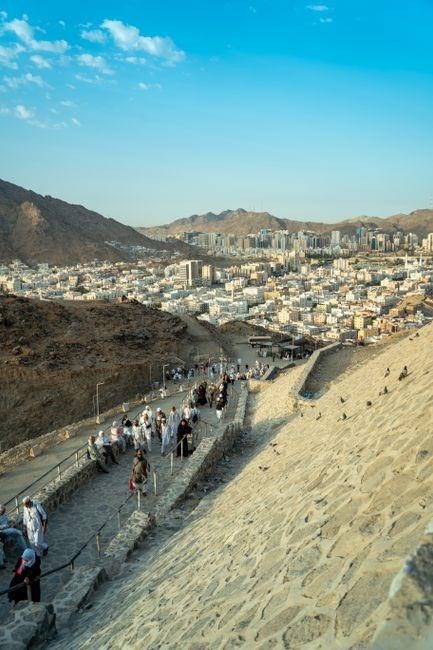
and Further Resources
In closing, the Dua Arafah PDF serves as a bridge between tradition and technology, allowing pilgrims and scholars alike to access the supplications that have guided millions for centuries. By downloading a clean, well‑formatted PDF, you preserve the integrity of the original verses while enjoying modern conveniences such as search, bookmarking, and offline reading. For those wishing to delve deeper, reputable sources include the official Saudi Ministry of Hajj website, the Al‑Quran app, and academic repositories like the Islamic Texts Society. Many of these platforms offer the Dua in multiple languages and provide transliterations to aid pronunciation. If you are interested in scholarly commentary, the “Arafah Duas: Context and Commentary” series by Dr. Khalid Al‑Nouri is available through university libraries. For community engagement, forums such as the Hajj Discussion Board on Reddit and the “Umrah & Hajj” group on Facebook host user‑generated translations and personal reflections. Finally, always verify that the PDF you download is sourced from a trustworthy site to avoid corrupted files or inadvertent malware. By combining reliable digital tools with authentic scholarly resources, you can experience the spiritual depth of the Arafah Duas in a way that respects both heritage and modern accessibility.
For those who wish to explore further, numerous scholarly articles, audio recitations, and interactive study guides are available through university libraries, digital archives, and reputable Islamic research portals, ensuring a holistic understanding of the Arafah Duas.