
Manual Shift Linkage: A Comprehensive Overview (as of 04/28/2026)
Considering a transmission swap? Understanding how to connect the shift linkage, especially when upgrading, is crucial for a smooth and reliable driving experience.
Manual shift linkage systems are the mechanical connection between the driver’s shift lever and the transmission, enabling gear selection. These systems translate the driver’s input into movement within the transmission, engaging different gear ratios. Historically, they’ve been fundamental to the driving experience, offering a direct and engaging feel.
The core function is to accurately and reliably move the shift forks inside the transmission. Proper operation requires precision, as imprecise linkage leads to difficulty selecting gears or a vague shifting feel. Understanding these systems is vital for both maintenance and modification, especially when undertaking projects like transmission swaps or performance upgrades.
Historical Development of Manual Shift Linkage
Early automobiles utilized simple, direct-linkage systems – essentially rods connecting the lever directly to the transmission. As vehicle design evolved, so did linkage complexity. The need for longer shift throws and accommodating different cabin layouts spurred the development of more intricate arrangements.
Cable-operated systems emerged, offering greater flexibility in routing and packaging. Later advancements explored hydraulic assistance, though less common due to complexity and cost. Throughout these changes, the fundamental goal remained consistent: a precise and reliable connection between driver intent and gear engagement, continually refined for improved feel and performance.
Types of Manual Shift Linkage
Manual shift linkages aren’t one-size-fits-all; they broadly fall into three categories. Direct linkage provides a solid, immediate feel, utilizing rigid rods for a precise connection. Cable-operated systems offer packaging advantages, using cables to transmit motion, ideal for remote shifter positions.
Less frequently, hydraulic linkages employ fluid pressure for assistance, though these are more complex. Each type presents trade-offs between precision, cost, and installation difficulty, influencing vehicle design and driver experience. Understanding these distinctions is key to diagnosing issues and selecting appropriate upgrades.
Direct Linkage Systems
Direct linkage represents the most traditional approach to connecting the shift lever to the transmission. Utilizing solid rods and pivot points, it delivers a very direct and tactile feel, prized by enthusiasts for its precision. This system minimizes play, offering crisp and accurate gear selection.
However, direct linkages can be more challenging to package within the vehicle’s chassis, requiring careful routing of the rods. They are commonly found in older vehicles and performance applications where responsiveness is paramount, offering a robust and reliable connection.
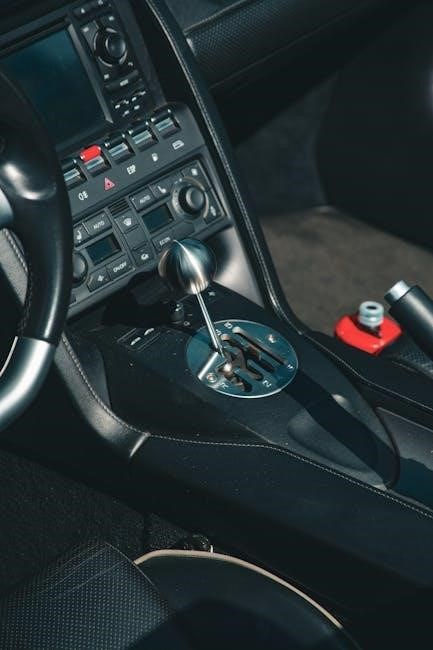
Cable-Operated Linkage Systems
Cable-operated systems offer greater flexibility in packaging compared to direct linkages. They employ steel cables, routed through a protective sheath, to transmit movement from the shift lever to the transmission. This allows for more freedom in positioning the shifter, making them ideal for vehicles with complex interior layouts.
While generally less direct in feel than solid linkages, modern cable systems minimize slack through careful design and adjustment. They are widely used in many contemporary vehicles, balancing packaging convenience with acceptable shift quality and reliability.
Hydraulic Linkage Systems (Less Common)

Hydraulic systems represent a less frequently encountered approach to manual shift linkage. Utilizing hydraulic fluid within sealed lines, these systems translate shifter movement into corresponding action at the transmission. They offer potential benefits like smooth operation and reduced vibration transmission, but complexity and potential for fluid leaks are drawbacks.
Historically, hydraulic linkages were explored for their precision, but maintenance demands and the emergence of refined cable and direct linkage designs have limited their widespread adoption. They remain a niche solution, primarily found in specific performance or luxury applications.
Components of a Typical Manual Shift Linkage
A manual shift linkage is a carefully orchestrated system. It begins with the shift lever and knob, the driver’s interface. Shift linkage rods or cables then transmit this motion rearward. Crucially, pivot points and bushings facilitate smooth, precise movement, minimizing slop. These bushings are often wear points.
Finally, the linkage connects to the transmission shift forks, which physically engage the gears. The quality and condition of each component directly impact shifting feel and accuracy. Regular inspection and maintenance are vital for optimal performance and driver satisfaction.
Shift Lever & Knob
The shift lever and knob represent the driver’s primary control point for gear selection. Levers vary significantly in design – from classic straight patterns to ergonomic bent configurations. Knob material impacts feel; options include aluminum, wood, or weighted spheres. The lever’s mounting point and internal mechanism are critical for precise movement.
A worn or loose lever can contribute to imprecise shifting. The knob’s weight and shape influence shift speed and comfort. Proper adjustment and secure mounting are essential for a responsive and enjoyable driving experience, directly impacting the entire linkage system.
Shift Linkage Rods/Cables
Shift linkage rods or cables transmit the driver’s input from the shift lever to the transmission. Rods, typically found in older vehicles, offer a direct mechanical connection, providing a solid feel. Cables, increasingly common, offer greater flexibility in routing and reduced weight.
Regardless of type, these components must be free from bends, corrosion, or excessive play. Worn or damaged rods/cables lead to imprecise shifts and potential linkage binding. Proper lubrication and regular inspection are vital for maintaining smooth and reliable gear changes, ensuring optimal performance.
Pivot Points & Bushings
Pivot points within the shift linkage facilitate the necessary angular movement for gear selection. These points rely heavily on bushings – small, often overlooked components made of rubber or polyurethane – to ensure smooth, quiet operation. Worn or deteriorated bushings introduce slop into the system, resulting in imprecise shifting and a vague feel.
Regularly inspecting these bushings for cracks, tears, or excessive wear is crucial. Replacing them restores the linkage’s precision and responsiveness. Upgrading to polyurethane bushings can further enhance durability and shift feel, though may introduce slightly more noise.
Transmission Shift Forks
Transmission shift forks are internal components directly responsible for engaging the selected gear within the gearbox. The manual shift linkage transmits the driver’s input to these forks, causing them to slide the synchronizers and ultimately lock the desired gear into place. Proper alignment and smooth movement of these forks are essential for clean, reliable shifts.
Damage to shift forks – bending or wear – can cause difficulty selecting gears or even prevent gear engagement altogether. While not directly part of the external linkage, their functionality is inextricably linked to the entire system’s performance.

Common Issues with Manual Shift Linkage
Several problems can plague manual shift linkages over time. Slop and imprecise shifting are frequent complaints, often stemming from worn bushings or loose connections, leading to a vague feel. Difficulty selecting gears can arise from bent linkage rods, damaged forks, or internal transmission issues exacerbated by linkage problems.
Linkage binding, where the system physically restricts movement, is another common issue, potentially caused by corrosion or improper adjustment. Addressing these issues promptly prevents further damage and restores driving enjoyment.
Slop and Imprecise Shifting
Excessive play within the manual shift linkage manifests as “slop,” resulting in imprecise gear selection. This commonly originates from worn or deteriorated bushings at pivot points, allowing unwanted movement. Loose connections along the linkage rods or cables also contribute, creating a vague and disconnected feel during shifts.
Identifying slop involves feeling for excessive travel in the shift lever before engaging a gear. Addressing this restores a direct and confident connection, improving driving precision and enjoyment.
Difficulty Selecting Gears
Struggling to find the right gear? Difficulty selecting gears within a manual transmission often points to issues within the shift linkage system. Binding or restriction along the linkage path prevents the transmission shift forks from fully engaging, leading to missed shifts or requiring excessive force.
Potential causes include corroded or damaged linkage components, improperly adjusted cable tension, or internal transmission issues mimicking linkage problems. A thorough inspection and adjustment are crucial for restoring smooth and reliable gear changes.
Linkage Binding
Experiencing stiff or notchy shifts? Linkage binding is a common ailment, restricting free movement within the manual shift system. This occurs when components – rods, cables, or pivot points – encounter resistance, hindering smooth gear selection. Causes include corrosion, lack of lubrication, damaged bushings, or physical obstructions along the linkage path.
Severe binding can prevent gear engagement altogether, while minor binding manifests as increased shift effort. Identifying and resolving the source of the restriction is vital for preventing further damage and restoring optimal shifting performance.
Troubleshooting Manual Shift Linkage Problems
Facing shifting woes? A systematic approach is key to diagnosing manual shift linkage issues. Begin with a thorough visual inspection, checking for obvious damage like bent rods, frayed cables, or loose connections. Next, assess bushing condition – worn bushings contribute significantly to slop and imprecise shifts.
Evaluate linkage geometry, ensuring proper alignment and free movement. Adjustments may be necessary to restore correct operation. Don’t overlook lubrication; applying grease to pivot points can often resolve minor binding.
Visual Inspection for Damage
Start with a comprehensive visual assessment. Carefully examine all shift linkage components for any signs of physical damage. Look for bent or cracked shift rods, particularly at connection points. Inspect cables for fraying, kinks, or corrosion, as these compromise their integrity.
Check for loose fasteners at pivot points and transmission connections. Pay close attention to the shift linkage where it connects to the transmission, searching for wear or damage. Any visible damage warrants immediate attention or component replacement to ensure safe and precise shifting.
Checking Bushing Condition
Worn bushings are a primary cause of sloppy shifting. Inspect all bushings – at the shift lever, linkage rods, and transmission – for cracking, deterioration, or excessive play. Attempt to move the linkage at each bushing point; any noticeable movement indicates wear.
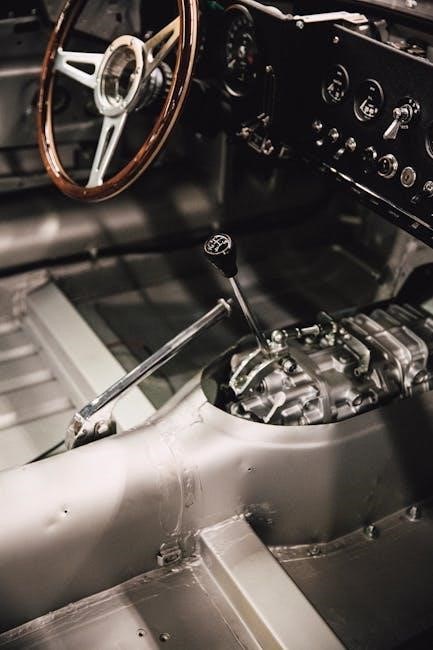
Rubber bushings will often crack and crumble with age, while polyurethane bushings may become compressed and lose their resilience. Replacing worn bushings restores precision and eliminates unwanted play in the system, dramatically improving shift feel and accuracy. Don’t overlook this crucial step!
Adjusting Linkage Geometry
Proper linkage geometry is vital for accurate gear selection. Incorrect adjustment leads to difficulty engaging gears or experiencing a “slop” in the shift feel. Begin by ensuring all connections are secure and bushings are in good condition. Adjustable linkage rods typically feature threaded sections allowing for fine-tuning of the shift position.
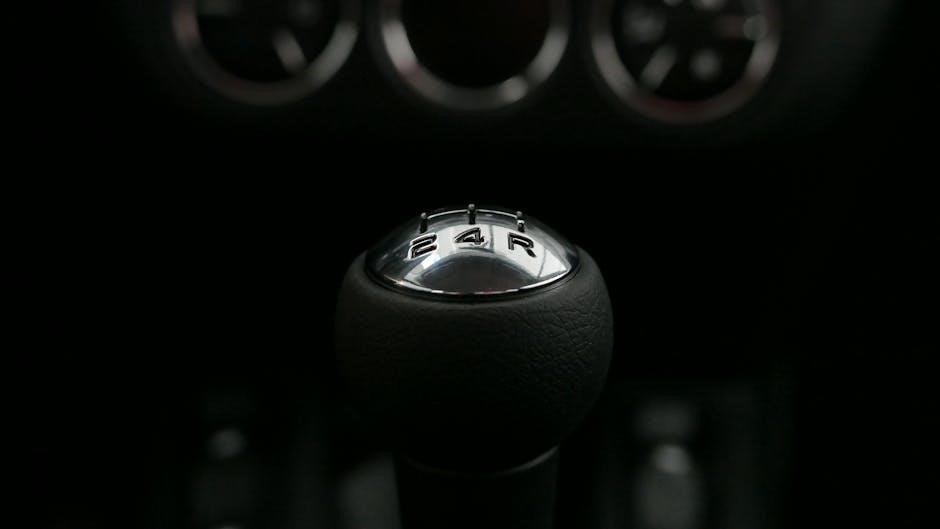
The goal is to achieve a neutral position where the transmission is truly in neutral. Minor adjustments can significantly improve shifting precision. Always consult the vehicle’s service manual for specific adjustment procedures and recommended settings.
Adjustment Procedures for Common Vehicles
Adjustment varies significantly between vehicle makes and models. For Ford Mustangs, focus on the shift linkage at the transmission, ensuring proper engagement with the shift forks. Chevrolet Camaros often require adjustment at both the shifter base and the transmission end.

BMW E36/E46 models are notorious for linkage wear; precise adjustment is critical. Typically, these involve eccentric bushings allowing for fine-tuning. Always refer to the specific vehicle’s repair manual for detailed instructions and torque specifications to avoid damaging components during the adjustment process.
Ford Mustang Shift Linkage Adjustment
Mustang linkage adjustment typically centers around the transmission-mounted linkage. Begin by loosening the clamp bolt securing the shift cable to the transmission. Carefully align the cable bracket with the corresponding notch on the transmission shift lever.
Ensure smooth engagement in all gears before fully tightening the clamp bolt. Verify proper alignment by cycling through each gear, checking for binding or imprecise shifts. Minor adjustments may be needed to achieve optimal performance. Regularly inspect bushings for wear, as they significantly impact shift quality.
Chevrolet Camaro Shift Linkage Adjustment
Camaro shift linkage adjustments often involve the firewall-mounted linkage assembly. Locate the adjustment screw on the linkage, typically near where it connects to the transmission. Loosen the retaining nut, then carefully rotate the adjustment screw to fine-tune the linkage position.
Aim for precise gear engagement with minimal effort. Check for binding or looseness in all gears after each adjustment. Small incremental changes are key to achieving optimal results. Inspect the linkage bushings and pivot points for wear, replacing them if necessary to restore crisp shifting.
BMW E36/E46 Shift Linkage Adjustment
BMW E36 and E46 models utilize a unique shift linkage design prone to developing slop over time. Adjustment typically involves the selector rod guide bushings and the linkage itself, located under the shift knob. Replacing worn bushings is often the first step towards improved feel.

Loosen the mounting bolt for the linkage and carefully adjust the position to eliminate excessive play. Precise alignment is crucial for accurate gear selection. Tighten the bolt securely, then test the shifting action in all gears, repeating the process if needed for optimal performance.
Upgrading Manual Shift Linkage Components
Enhancing your manual transmission’s feel often starts with upgrading key components. Short throw shifters dramatically reduce the distance between gears, providing quicker, more direct shifts and a sportier driving experience. These kits typically replace the factory shift lever and associated hardware.
Reinforced shift linkage kits address common weaknesses in factory linkages, preventing bending or breakage, especially in performance applications. Consider polyurethane bushings to eliminate slop and improve responsiveness. Upgrading offers a noticeable improvement in precision and driver confidence.
Short Throw Shifters
Short throw shifters minimize the distance required to move the shift lever between gears, resulting in faster and more precise shifts. They achieve this by altering the leverage ratio within the shift linkage system. Installation typically involves replacing the factory shift lever assembly with a shorter, more direct-acting unit.
Benefits include a sportier feel and reduced shift times, appealing to enthusiasts seeking improved driving engagement. Various designs exist, from simple lever replacements to complete linkage kits. Careful selection based on vehicle and driving style is crucial for optimal performance.
Reinforced Shift Linkage Kits
Reinforced shift linkage kits address the weaknesses inherent in factory systems, particularly in performance applications. These kits typically replace the original plastic or soft rubber bushings and sometimes the linkage rods themselves with stronger, more durable materials like polyurethane or solid metal.
The primary benefit is increased rigidity, eliminating slop and improving shift precision. This is especially important for vehicles experiencing high horsepower or aggressive driving. Kits often include adjustable components allowing for fine-tuning of shift feel and engagement. Investing in a reinforced kit enhances reliability and driving enjoyment.
DIY vs. Professional Installation
Deciding between a DIY installation and professional help for manual shift linkage work depends on your mechanical skill and the complexity of the upgrade. Simple bushing replacements are often manageable for experienced DIYers with basic tools and a service manual;
However, more involved tasks like installing a short throw shifter or a complete linkage kit can be challenging, requiring precise adjustments and potentially specialized tools. Professional installation ensures correct alignment and functionality, preventing future issues. Consider your comfort level and the potential cost of mistakes before proceeding.
Maintenance and Lubrication of Shift Linkage
Regular maintenance is key to preserving smooth and precise shifting. Periodically inspect all linkage components for wear, damage, or looseness. Focus on pivot points and bushings, as these are prone to wear and can contribute to sloppy shifts.
Lubrication is equally important; applying a lithium-based grease to pivot points and cable ends reduces friction and prevents binding. Avoid using WD-40, as it attracts dirt. Consistent lubrication extends the life of the linkage and maintains optimal performance, ensuring enjoyable driving experiences for years to come.
Safety Considerations When Working with Shift Linkage
Prioritize safety when inspecting or modifying your manual shift linkage. Always disconnect the battery to prevent accidental electrical activation. Securely support the vehicle with jack stands – never rely solely on a jack.

Wear safety glasses to protect your eyes from debris. Be mindful of sharp edges on linkage components. Double-check all connections after adjustments or repairs to ensure proper operation. A malfunctioning linkage can lead to unintended gear selection, posing a serious safety risk while driving.

Future Trends in Shift Linkage Technology
Despite the rise of automatics, manual transmissions and their linkage systems continue to evolve. Expect increased integration with electronic systems, potentially offering customizable shift feel via software adjustments. Advanced materials like carbon fiber may reduce weight and improve responsiveness.
Research into “shift-by-wire” systems, eliminating mechanical linkages entirely, is ongoing, though adoption faces challenges. Focus will remain on refining existing designs for precision and durability, catering to enthusiast demand for a connected driving experience. Improved bushing materials will also extend service life.