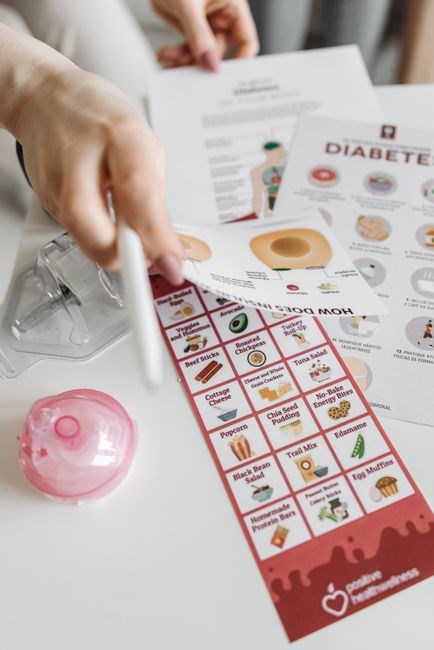
Discover how the Golo Food List PDF serves as a practical guide, offering a clear layout for meal planning and grocery shopping. It simplifies the program’s approach, making healthy choices easier to follow and helping users stay organized while pursuing weight‑loss goals. Stay motivated, track progress. day.
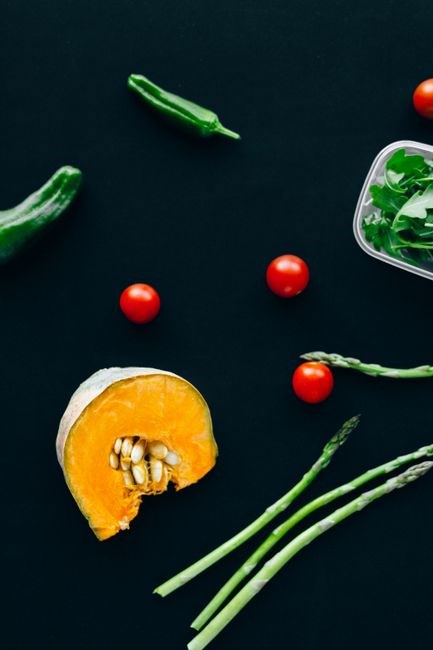
Understanding the Golo Diet
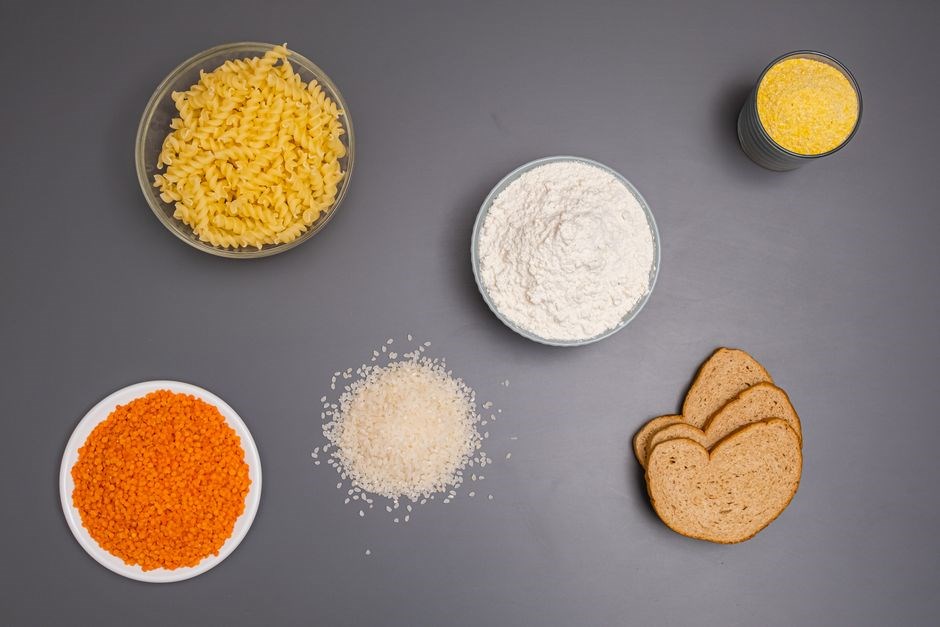
The Golo Diet focuses on balanced nutrition, emphasizing protein, healthy fats, and low‑carb vegetables while limiting processed foods. It promotes flexibility and weight loss through mindful eating, portion control, and movement. The diet’s core is simplicity and consistency .!!?
2.1 Key Principles
At its core, the Golo Diet emphasizes protein, healthy fats, and low‑glycemic carbohydrates to stabilize insulin and promote satiety. Protein—found in fish, poultry, eggs, and legumes—helps preserve lean muscle while curbing cravings. Healthy fats such as olive oil, avocado, and nuts support hormone balance and nutrient absorption. Carbs are limited to nutrient‑dense, low‑glycemic options like leafy greens, berries, and beans, reducing blood‑sugar spikes;
Portion control and mindful eating replace rigid calorie counting. By slowing down, savoring flavors, and stopping at natural fullness, users develop a sustainable relationship with food. Flexibility is built into the Golo Food List PDF, offering interchangeable items that adapt to seasonal availability, personal taste, and dietary restrictions. Regular movement—whether brisk walking, strength training, or yoga—complements nutrition, boosting metabolism and supporting long‑term weight management. Together, these principles create a balanced, adaptable framework for lasting health.
The Golo Food List PDF serves as a practical companion, organizing these principles into a clear, printable format. By segmenting meals into breakfast, lunch, dinner, and snacks, users can visualize daily macros and ensure variety. The PDF also includes reference charts for portion sizes, calorie estimates and suggested substitutions, making it easier to stay on track during busy days or when dining out. Its user‑friendly layout encourages consistency, helping to reinforce healthy habits over time
2.2 How Food Lists Fit In
The Golo Food List PDF acts as the program’s roadmap, translating abstract nutritional guidelines into concrete daily menus. By mapping protein sources, healthy fats, and low‑glycemic carbs onto each meal slot, the list ensures that every bite contributes to insulin control and satiety. Users can quickly scan the PDF to confirm that their breakfast contains a balanced protein‑fat ratio, that lunch includes a fiber‑rich vegetable, and that dinner stays within the recommended carb window. This visual cue reduces decision fatigue, allowing participants to focus on portion sizes rather than “what to eat.” The PDF also highlights recommended portion sizes next to each item, using visual cues such as icons or shaded boxes, which help users gauge quantity without a scale.
Moreover, the PDF’s modular design lets users swap interchangeable items—such as swapping quinoa for brown rice—without disrupting macro targets. This flexibility accommodates seasonal produce, dietary preferences, and budget constraints while preserving the core insulin‑stabilizing framework. The list also incorporates snack options that fit the Golo philosophy, preventing mid‑day energy dips and discouraging impulsive snacking. By embedding these choices into a single, printable document, the program streamlines meal planning and reinforces consistency.
During grocery trips, the PDF’s color‑coded sections—vegetables, proteins, fats, and snacks—allow shoppers to navigate aisles efficiently. This organized approach saves time, reduces impulse purchases, and ensures that the pantry remains stocked with compliant staples. Finally, the PDF serves as a reference for grocery shopping, making it easier to buy what’s needed for the week. This systematic method aligns with the Golo emphasis on whole, minimally processed ingredients, supporting long‑term health and sustainable weight management.
2.3 Common Misconceptions
Many people assume that a Golo Food List PDF is simply a static menu, but it is actually a dynamic tool that adapts to individual metabolic responses. Some believe that the list forces rigid portion sizes, yet the PDF often includes adjustable serving suggestions based on calorie needs and activity levels. Another myth is that the list excludes all “bad” foods; in reality it prioritizes low‑glycemic options while allowing occasional indulgences in moderation. Some think the PDF is only for beginners, but seasoned users can leverage it to refine meal timing and macro balance. A frequent misconception is that the PDF guarantees rapid weight loss; the key lies in consistent adherence and lifestyle integration. Finally, many overlook the PDF’s role in grocery planning, missing out on its color‑coded sections that streamline shopping and reduce waste. This comprehensive guide ensures clarity and consistency, empowering users to navigate the Golo Food List PDF with confidence and precision. By integrating these insights, participants can maintain a balanced diet while enjoying flexibility and variety, ultimately supporting sustainable weight management and overall well‑being. The PDF’s user‑friendly layout, combined with clear portion guidelines, empowers individuals to make informed choices without the need for complex calculations or constant monitoring. In practice, this means you can quickly reference the PDF during meal prep, ensuring each dish aligns with the Golo framework and supports your health goals. Stay focused, and enjoy the journey toward lasting health
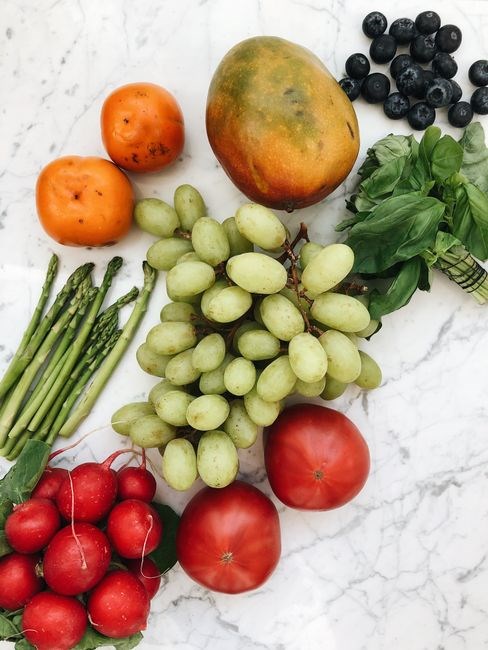
The Role of Food Lists in the Golo Program
Food lists act as a roadmap, aligning meals with metabolic goals. They simplify choices, reduce decision fatigue, and promote consistency. By mapping foods to energy phases, users stay on track, monitor intake, and adjust portions for optimal results. Enjoy. Ok
3.1 Types of Food Lists
Golo’s food lists are categorized into three main types, each designed to support different stages of the metabolic cycle and individual preferences. The first type, the “Daily Meal Plan,” outlines balanced portions for breakfast, lunch, dinner, and optional snacks, ensuring that protein, healthy fats, and complex carbohydrates are distributed evenly throughout the day. This format helps users maintain steady energy levels and avoid blood‑sugar spikes. The second type, the “Weekly Grocery List,” compiles all the ingredients needed for the entire week, grouped by food groups such as proteins, vegetables, fruits, and grains. By consolidating items, shoppers can minimize waste, reduce impulse purchases, and stay within budget. The third type, the “Custom Meal Builder,” offers a flexible framework where users can mix and match approved foods to create their own meals. This list includes a matrix of compatible foods, portion sizes, and suggested pairings, allowing for creativity while staying within the program’s guidelines. Each type is available in PDF format, making it easy to print, annotate, or store on a mobile device for quick reference during shopping or meal prep. Users can also download printable checklists, track their adherence, and adjust portions based on progress or dietary restrictions. The versatility of these lists empowers participants to tailor the Golo experience to their lifestyle, ensuring long‑term success and sustainable weight management. PDF lists are interactive, letting users check off items, add notes, and track compliance. This engagement reinforces accountability, provides data for meal adjustments, and keeps each participant’s journey personalized and effective. Users can annotate pages, the PDF a tool for progress daily now.
3.2 Benefits of a PDF Format
PDFs offer a stable, cross‑platform format that preserves layout, fonts, and images exactly as intended. For Golo users, this guarantees a consistent meal‑planning experience on phones, tablets, or desktops, without formatting glitches. The fixed structure also protects the integrity of the nutritional guidelines, preventing accidental edits that could compromise the program’s logic.
Printability is a key advantage: participants can print the list for quick reference while shopping, or keep a digital copy in the cloud for offline use during travel. Many PDF readers provide annotation tools—check‑boxes, sticky notes, and highlighting—allowing users to mark completed items, note substitutions, or track progress over time.
- Portability: PDFs open on virtually any device, making it easy to share with coaches or family.
- Searchability: Text can be searched instantly, helping locate specific foods or prep tips without scrolling.
- Security: Password protection or digital signatures can safeguard personal data.
- Cost‑effective: PDFs require no special software, reducing barriers for participants.
Because the Golo program relies on metabolic cycling, a reliable, editable resource helps maintain the rhythm of protein‑rich meals and carbohydrate‑free days. The PDF’s clear, printable schedule can be updated weekly, supporting users as they progress toward their goals.

How to Access a Golo Food List PDF
To obtain a Golo Food List PDF, visit the official program website and sign in to your member dashboard. Navigate to the resources section, where downloadable PDFs are listed. Alternatively, request a copy via the support portal or email. Download now for quick ref!!?
4.1 Official Sources
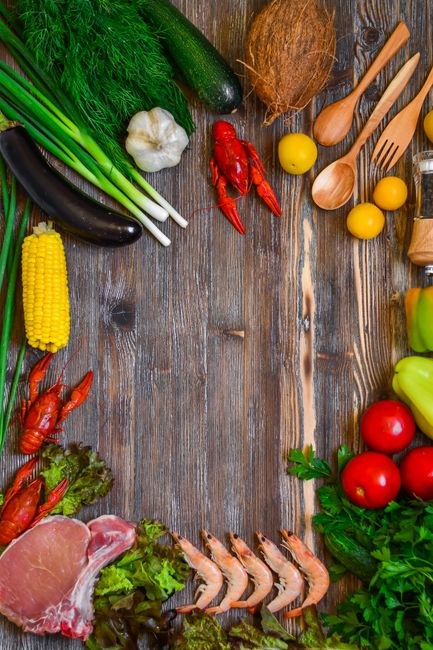
To obtain a Golo Food List PDF from official channels, start at the Golo website. After logging in, go to the “Resources” section. Here you’ll find a list of downloadable PDFs, each labeled with a version date and brief description. This ensures you’re using the most current plan.
The mobile app offers the same library. Install the app, sign in, and open the “Library” tab. The PDFs sync automatically, so you can access the latest version on any device.
For a hard copy, email the support team. Use the “Contact” form, specify the document you need, and the team will send you a secure download link within 24 hours.
Community forums sometimes host official PDFs posted by moderators. These links are verified to come from the official repository, providing an additional way to stay updated.
Golo also distributes PDFs via its monthly newsletter, delivering exclusive meal plans, seasonal recipes, and program updates straight to subscribers’ inboxes. The embedded link lets users download the latest PDF instantly. The company also hosts live webinars where nutritionists walk participants through the food list, showing how to adjust portions for individual goals. Recordings of each session are uploaded to the members’ portal with a downloadable PDF summary for quick reference now.
The Golo portal’s FAQ links to PDF downloads for major updates, so users have the right reference.
4.2 Third‑Party Resources
Beyond the official Golo portal, a variety of independent platforms provide Golo Food List PDFs. Nutrition blogs often curate downloadable meal plans that align with Golo’s principles, offering variations for different dietary preferences. These blogs typically host PDFs on cloud storage services like Google Drive or Dropbox, ensuring easy access without a subscription.
Community forums such as Reddit’s r/Golo and dedicated Facebook groups serve as hubs where members share custom PDFs. Users post their own adaptations, swapping ingredients or adjusting portion sizes, and link to the files via shared drives or direct uploads. Moderators usually vet these posts to maintain accuracy.
Third‑party health app integrations sometimes embed Golo-compatible PDFs. Apps that track macros or calorie intake may offer a “Golo Meal Plan” feature, which generates a PDF you can export. These integrations often sync with the app’s database, allowing real‑time updates to the list.
Educational platforms like Coursera or Udemy occasionally host courses on weight‑loss strategies that include Golo PDFs as supplementary material. Access typically requires enrollment, but the PDFs are downloadable for course participants.
Finally, open‑source repositories on GitHub occasionally host community‑maintained Golo food lists. These are version‑controlled, allowing users to fork and modify the list to suit personal needs. The repository’s README usually explains how to download the latest PDF and how to contribute changes. Enjoy your journey now.
4.3 Tips for Customization
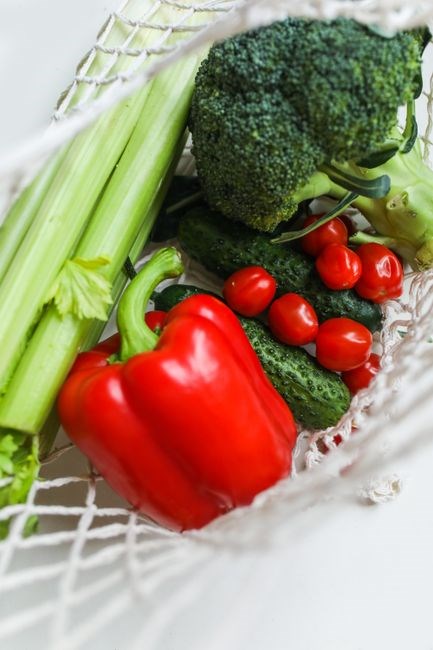
Customizing a Golo Food List PDF can transform a generic plan into a personalized roadmap that respects individual tastes, schedules, and nutritional needs. Begin by reviewing the core macro targets—protein, healthy fats, and low‑glycemic carbs—and then map those to foods you enjoy. Replace standard items with alternatives that fit your budget or seasonal availability, ensuring the macro balance remains intact.
Use a spreadsheet or note‑taking app to track daily intake. When you download the PDF, copy the list into a document editor that supports table manipulation. Highlight sections you wish to adjust, and insert new rows or columns for additional meals or snacks. This visual approach helps maintain clarity while expanding the menu.
Consider portion control by marking serving sizes next to each item. Many users find it helpful easily to use a kitchen scale or measuring cups for accuracy. If you prefer a more flexible approach, annotate the PDF with footnotes indicating optional substitutions, such as swapping a protein source for a plant‑based alternative or adding a side of leafy greens.
For those with dietary restrictions—gluten intolerance, dairy allergy, or low‑sodium requirements—create a separate “Allergy‑Friendly” tab PDF. List safe substitutes and label them clearly. This ensures you can switch between versions without confusion.
Finally, schedule reviews. Set a weekly reminder to assess how the customized list aligns with your progress. Adjust macros, swap out foods that no longer satisfy you, and refine portion sizes. You maintain motivation and adaptability throughout your Golo journey.
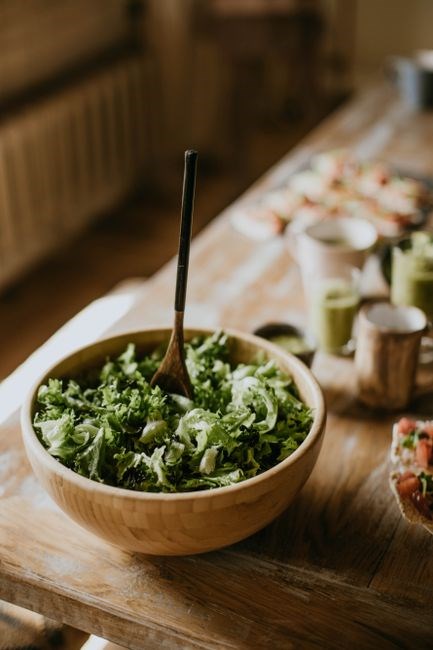
Sample Golo Food List PDFs
Here are two sample Golo Food List PDFs: one outlines a weekly meal plan, while the other provides a detailed grocery list. Both PDFs are downloadable, printable, and customizable to fit your schedule and taste preferences. Feel free to download, print, and adjust portions to match your daily calorie budget. Enjoy!!! Use PDFs to track macros and stay on course!
5.1 Sample One: Weekly Plan
This sample PDF outlines a balanced seven‑day menu that aligns with the Golo framework. Each day features a protein source, a low‑glycemic carbohydrate, and healthy fats, ensuring you stay in insulin‑friendly mode while still enjoying variety. The plan is divided into breakfast, lunch, dinner, and two snacks, with portion sizes calibrated to your calorie goal.
Day 1: Breakfast – Greek yogurt with berries and a drizzle of honey. Lunch – grilled chicken salad with mixed greens, avocado, and olive oil vinaigrette. Dinner – baked salmon, quinoa, and steamed broccoli. Snacks – apple slices with almond butter; carrot sticks with hummus.
Day 2: Breakfast – scrambled eggs with spinach and feta. Lunch – turkey lettuce wraps with mustard. Dinner – stir‑fried tofu, brown rice, and mixed vegetables. Snacks – cottage cheese with pineapple; a handful of walnuts.
Day 3: Breakfast – oatmeal topped with sliced banana and cinnamon. Lunch – quinoa bowl with chickpeas, cucumber, tomato, and tahini dressing. Dinner – lean beef steak, sweet potato mash, and green beans. Snacks – protein shake; sliced bell peppers.
Day 4: Breakfast – protein smoothie (protein powder, almond milk, frozen berries). Lunch – grilled shrimp over mixed greens. Dinner – baked chicken thighs, roasted Brussels sprouts, and cauliflower rice. Snacks – hard‑boiled eggs; a small handful of almonds. This balanced approach keeps insulin levels steady while offering flavorful variety;
Print the PDF, follow the plan, enjoy a week of insulin‑friendly meals that taste great OK!!.
5.2 Sample Two: Grocery List
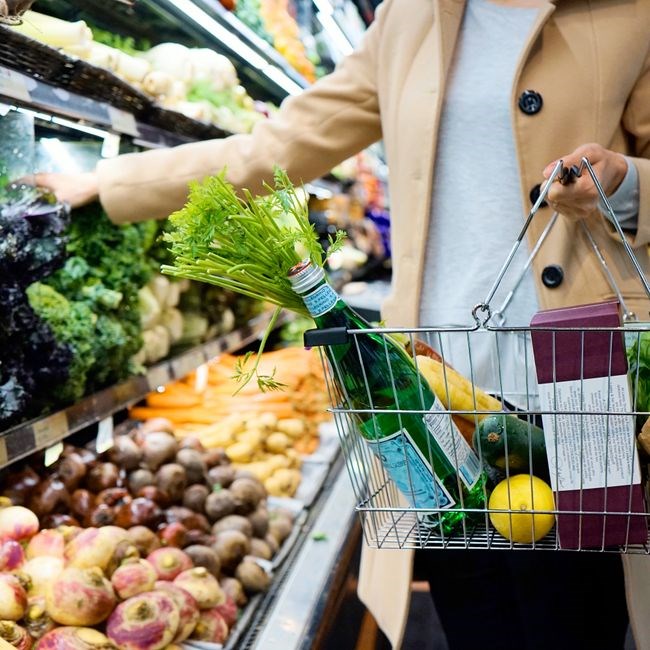
This PDF grocery list is organized by food groups to help you shop efficiently. Adjust portions to match your calorie goal.
- Proteins: chicken breast, salmon, lean turkey, eggs, tofu, chickpeas, black beans.
- Vegetables: broccoli, spinach, mixed salad greens, bell peppers, cucumber, cherry tomatoes, cauliflower, green beans, carrots, mushrooms.
- Fruits: apples, bananas, berries, pineapple, grapes.
- Carbohydrates: quinoa, brown rice, sweet potatoes, whole‑grain bread, tortillas.
- Healthy Fats: olive oil, tahini, almonds, walnuts, avocado.
- Dairy & Alternatives: Greek yogurt, cottage cheese, almond milk.
- Seasonings & Extras: salt, pepper, garlic, paprika, cumin, oregano, lemon juice, mustard, hot sauce.
Use this list to create balanced, insulin‑friendly meals throughout the week.
Tip: Keep a small container of pre‑measured spices at home to reduce cooking time. Store fresh produce in the fridge and use a reusable bag for bulk items. This approach keeps your meals consistent.
Remember to read labels for hidden sugars and opt for whole‑grain options whenever possible. Pair proteins with fiber‑rich veggies to slow digestion and maintain steady energy levels.
Enjoy your shopping and the delicious, health‑boosting meals that follow!
Keep this PDF handy on your phone or print it for quick reference during grocery trips.
Ok